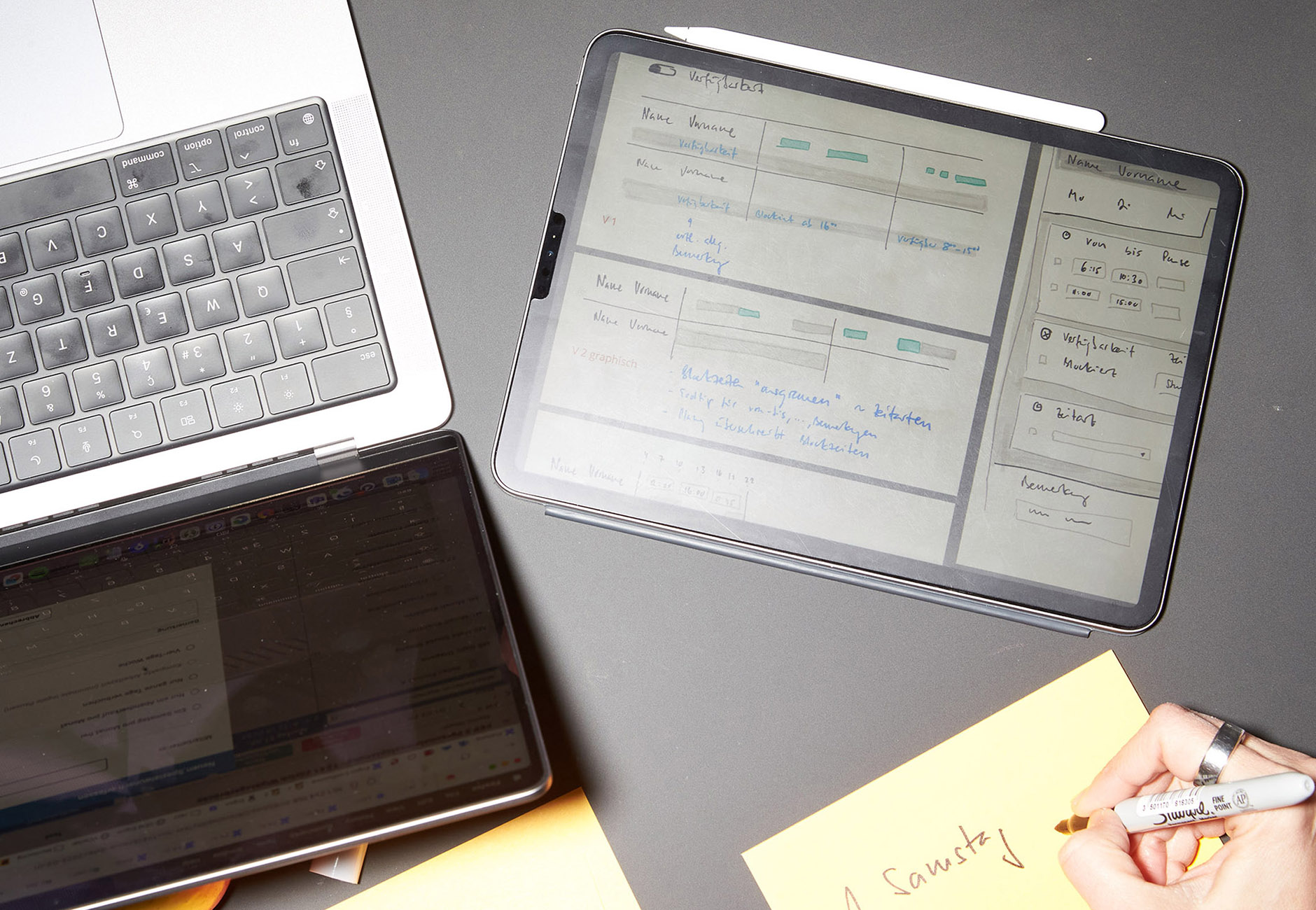
Together with Ergon, design an information architecture that makes accessing your content quick and easy. It is a key element of the human-centred design process and provides users with a clear, intuitive structure for finding information. Our information architectures take into account the needs of your target group and the goals of your company. Through well organised, structured and labelled information, we create a positive user experience and help you achieve your goals.
How we create your information architecture
Structuring content
We structure content logically and in a way that focuses on the user, so you can find it quickly and easily.
Developing navigation systems
Intuitive navigation elements make for a user-friendly interface.
Labelling and using terminology
Clear, coherent labels and consistent terminology improve usability and make information more accessible.

Content auditing
By means of comprehensive analysis and assessment, we find out where your solutions are currently at and identify potential improvements.

Card sorting
Joint card sorting sessions provide you with valuable insights into the mental models of users – for a genuinely intuitive and customised information architecture.
Tree testing
In tree tests, users look for certain elements based on the proposed organisation and terminology of the application. This demonstrates how well the structure works.
The benefits of a successful information architecture
-
Satisfied users who find information quickly and easily
-
Greater levels of efficiency and productivity for users, thanks to clear and intuitive structures
-
An ideal basis for the scalability and enhancement of your solution


FAQ
We look forward to hearing from you
We are pleased that you are interested in our services. Do you have any questions or a specific project idea? Tell us about it – with no commitment on your part. Our experts will contact you as soon as possible.